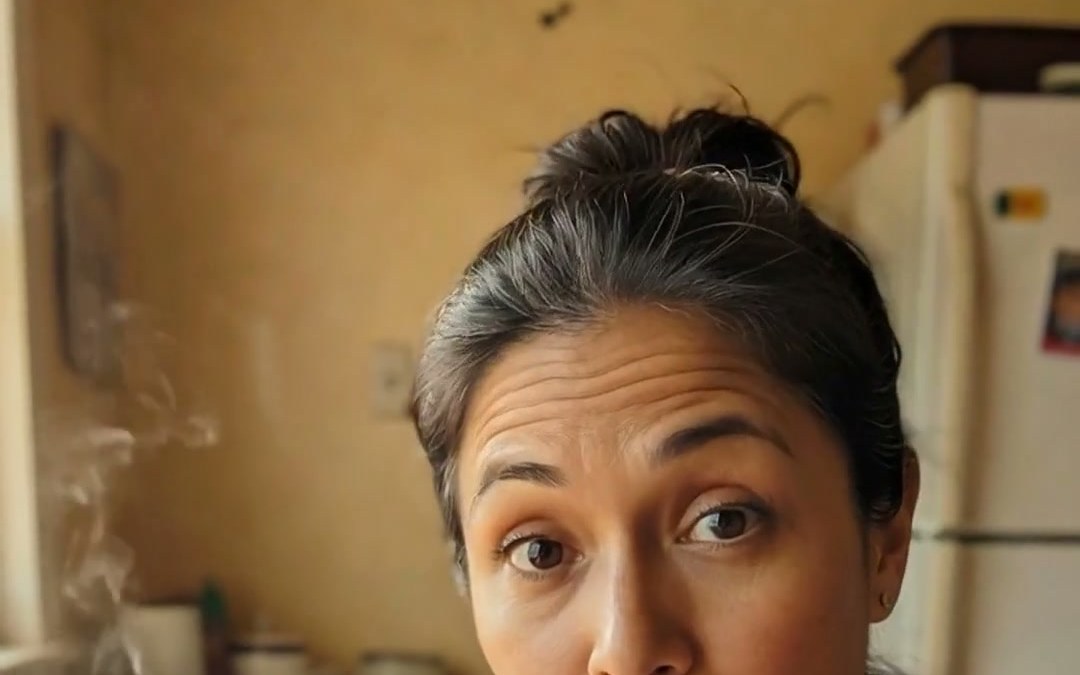
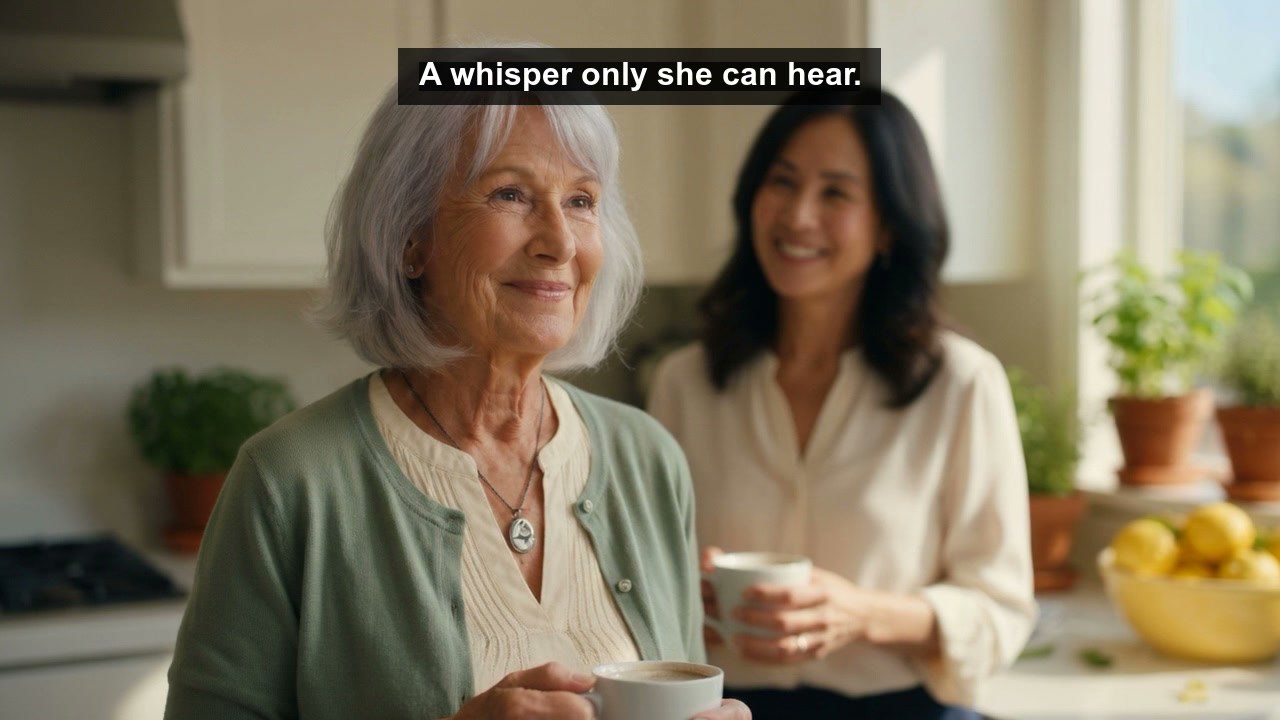
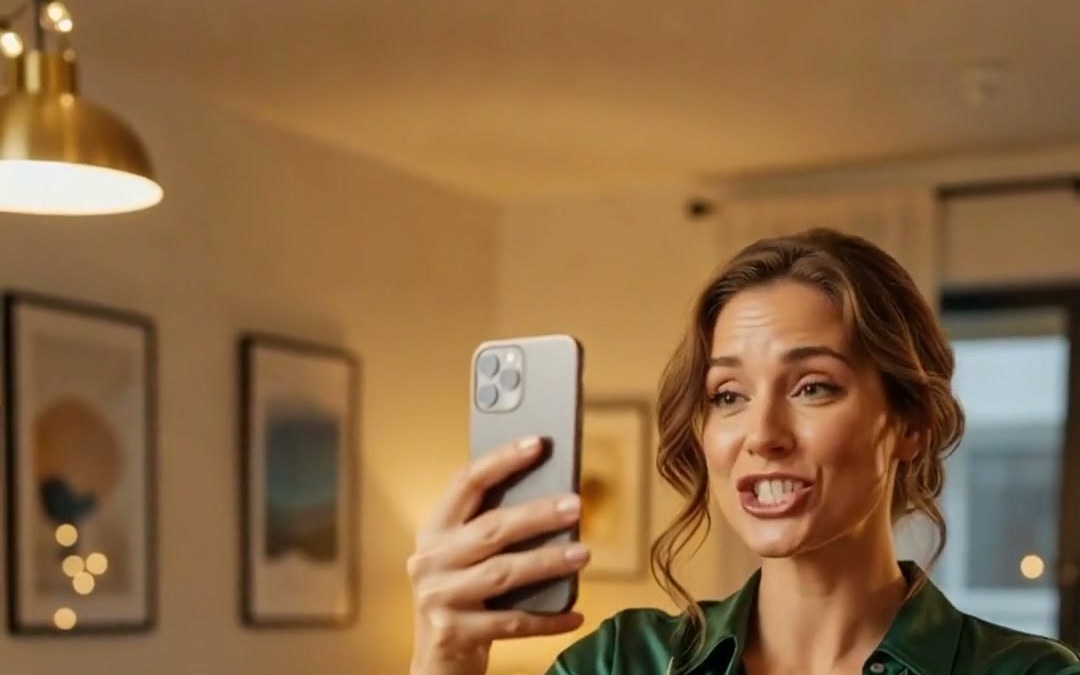
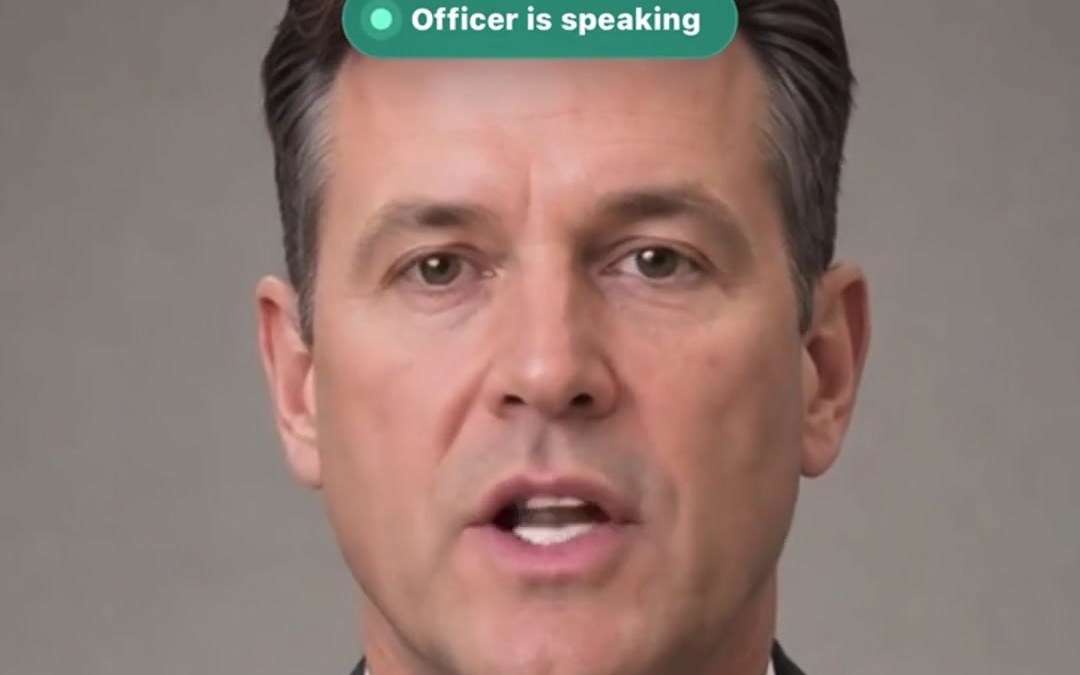
Generated performers, real product. Every person and scene in this
work is AI-generated — there is no filmed footage of real people anywhere in it. That
takes casting, scheduling, talent releases and location out of the budget, and it means
a persona can be recast in an afternoon instead of a reshoot.
The product itself is never generated. Image models render
on-screen text as gibberish, so the app is always a real screen recording, a real store
listing, real screenshots, or a live capture of the web app at a phone viewport.
Generated people over a real interface is the whole method — and getting that boundary
wrong is the single most common reason a finished video gets thrown away.
Claims reviewed before the script locks. On health, financial or
regulated products, restricted language is identified first, and disclaimers are built
into editable safe zones so wording can change without a re-render.
Every deliverable is reproducible. Briefs, prompts, source media
and the assembly spec are retained together, so any cut can be rebuilt or revised
months later without starting over.